Learn more about our
MOD | Modular
Aquaponics Systems
General Description
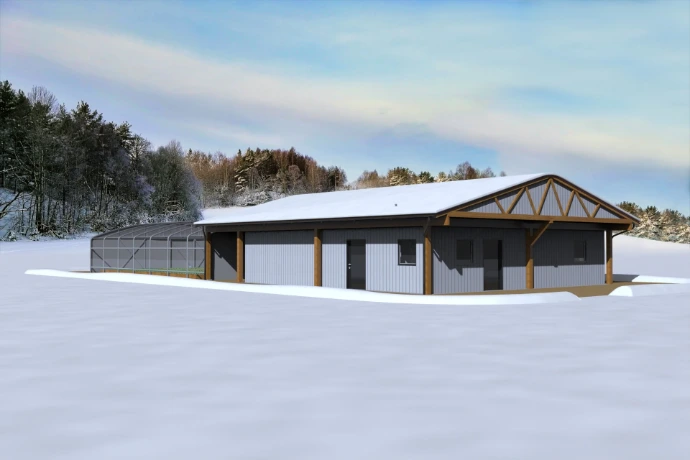
The MOD | Modular Aquaponics Systems are featuring pre-assembled polypropylene modules which will be installed on site by you and a helping hand within just a few days. They form the optimized aquaculture part and are coupled to the hydroponics part which can be build by yourself according to our instructions with locally sourced material.
The Systems consist of grow-out tanks, juvenile tanks or nets, solids filters, and bio filters.
For coupling the two parts there are two variants.
- The water flows directly from the modules to and through the plant beds and will then be pumped back into the modules.
- The water flows from the modules into an earth tank and is then pumped into the hydroponic section, where it flows through the plant beds and finally back into the earth tank. From the earth tank, the water is pumped back into the modules.
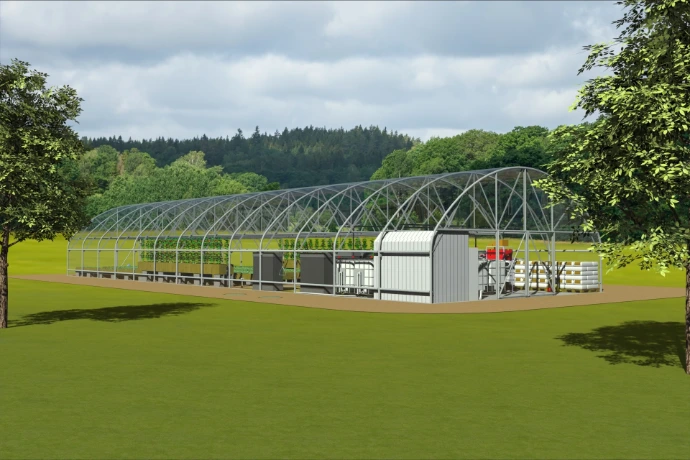
Moderate Climate
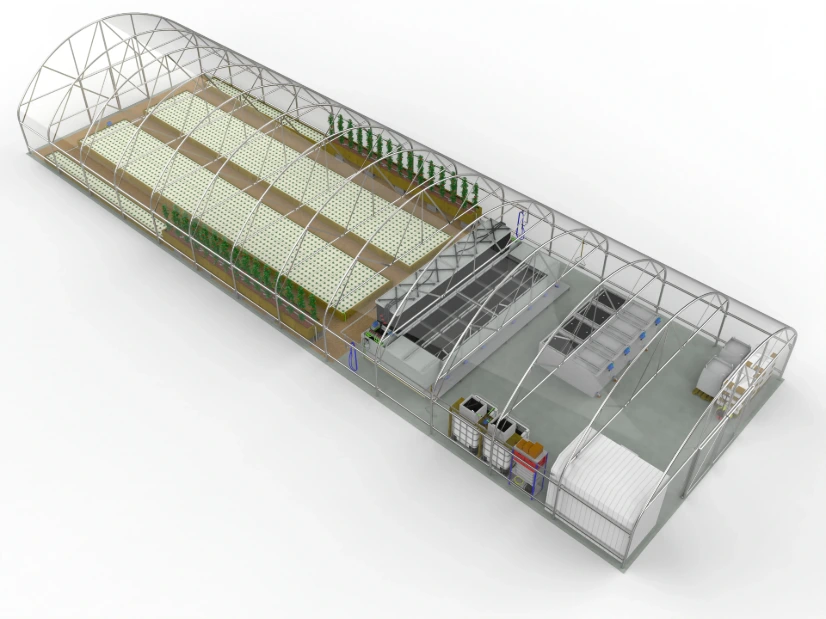
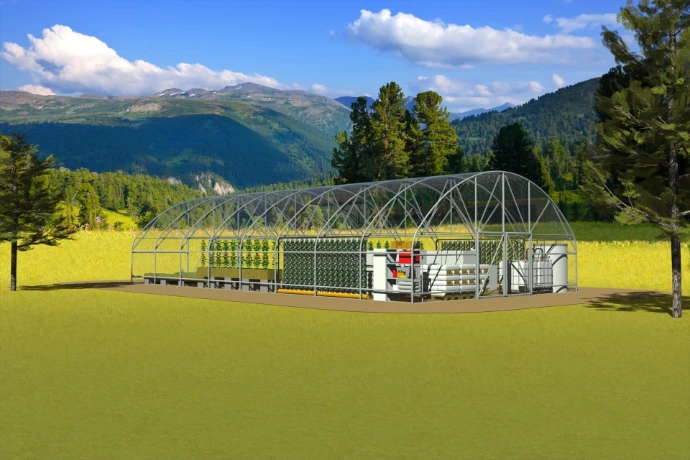
Cold Climate
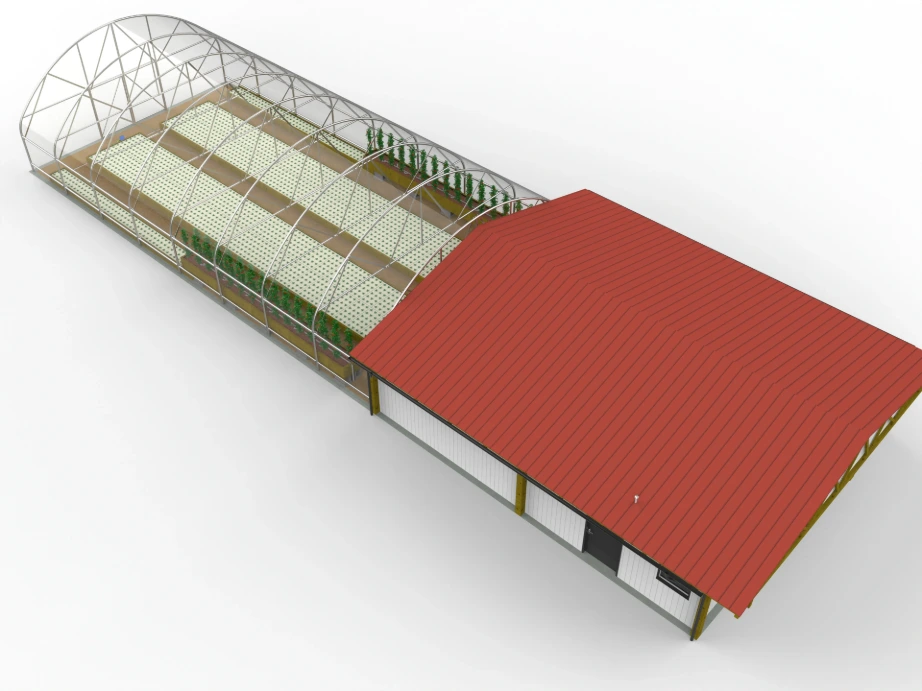
Cold Climate
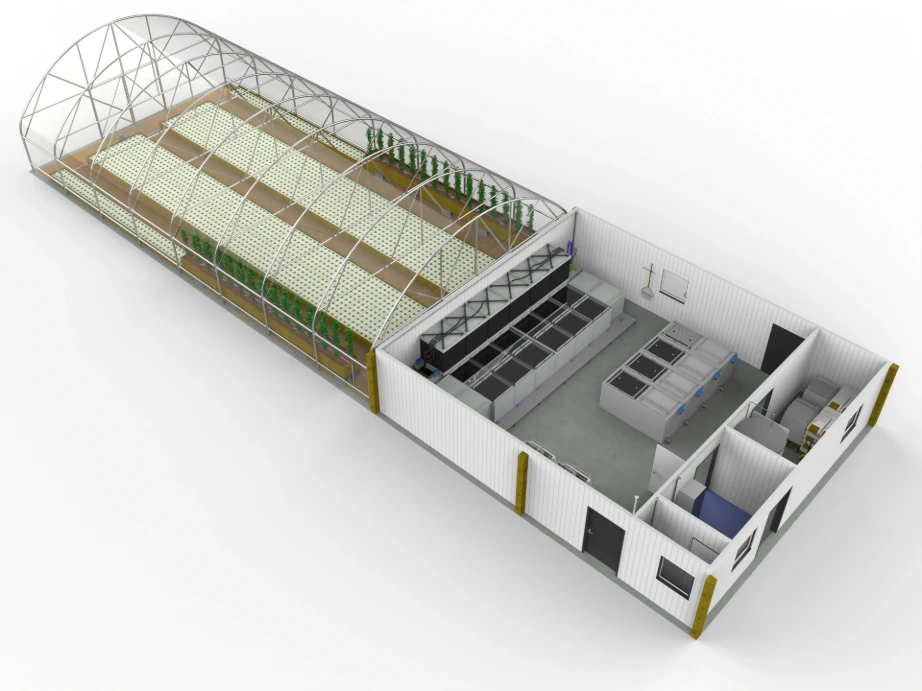
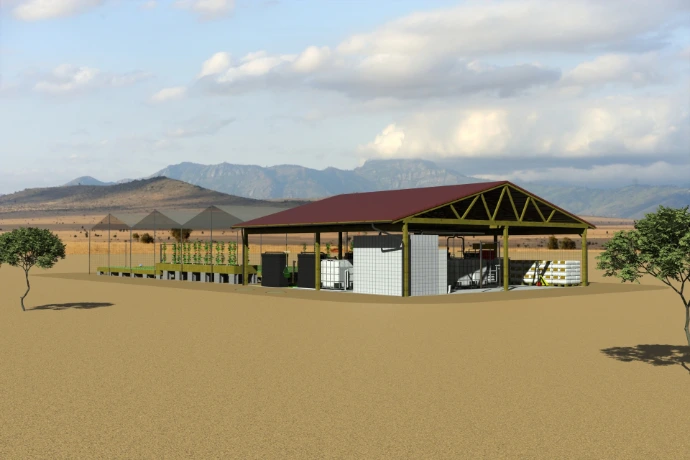
Hot Climate
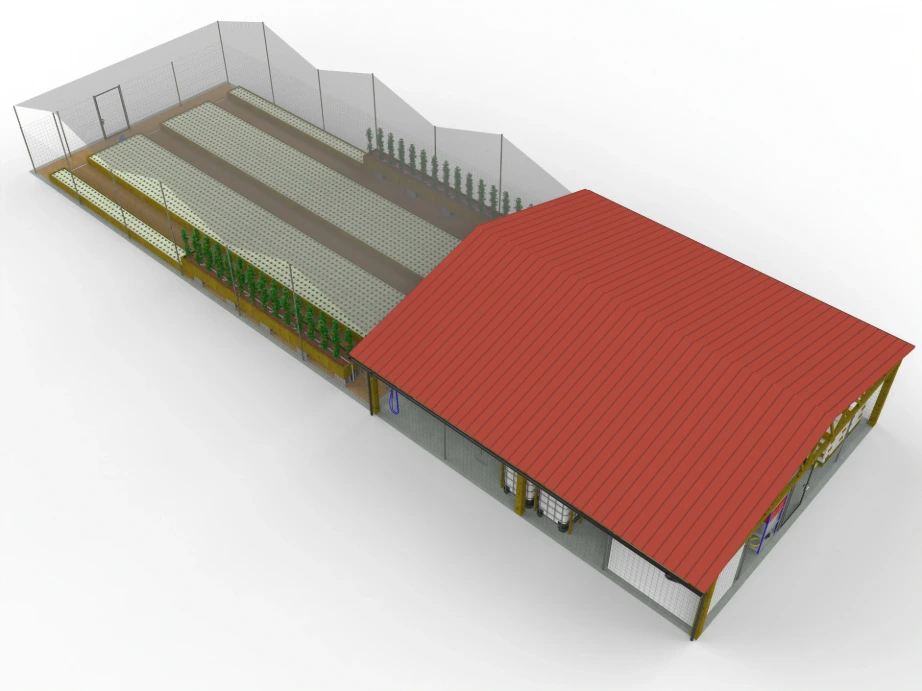
Hot Climate
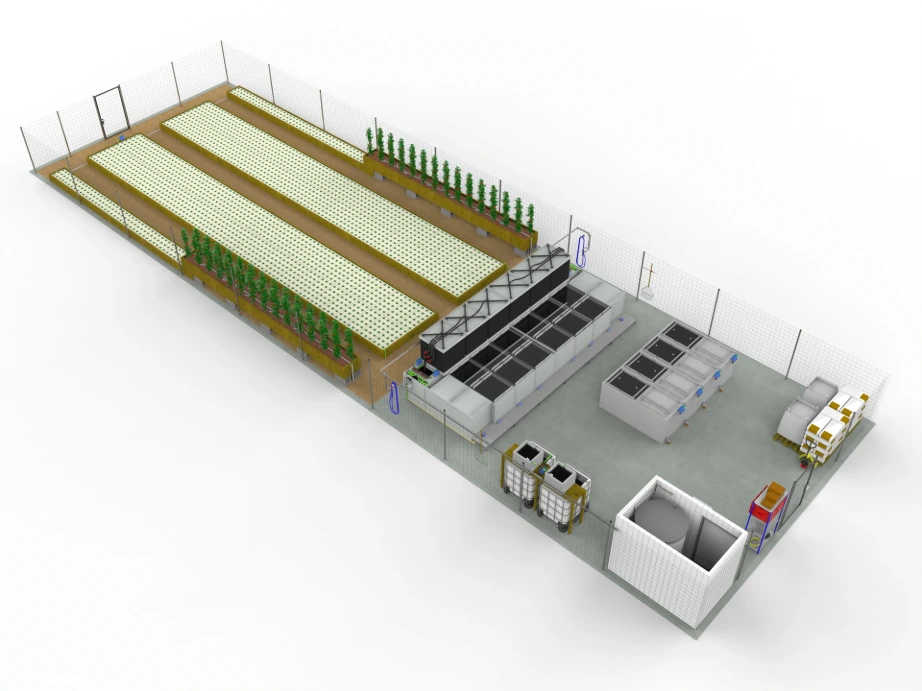
Growing Step by Step
One of the big advantages of the MOD | Modular Aquaponics Systems is the opportunity to choose you pace concerning production growth and investment. If you want to really dive into aquaponics as your future income, then can you define your needed production capacity and go for it with one or more Aquaponics-Systems COM.
If you want to take your time and start with minimized risk and low investment, you can start with one or two Aquaponics-Modules AP-1000 and slowly learn how to operate your aquaponics system. From rearing the fish and grow the plants to harvesting, processing and marketing your products. Then, as your experience and your market grows, you can enhance your production facility step by step.
You should carefully consider the following aspects:
- Will you start with sufficient space and prepared drains and supply lines right from the beginning? Or do you make your first steps in a small place, knowing that you will have to move your equipment once your system grows?
- If you want to prepare the whole space for the next steps: What is the final production capacity you want to achieve?
- Will you start with a full size hydroculture or will it grow in accordance with the aquaculture?
We can help you If you need Support in the decision making process
2 AP-4850 (GrowOut) & 4 AP-910 (Juvenile)
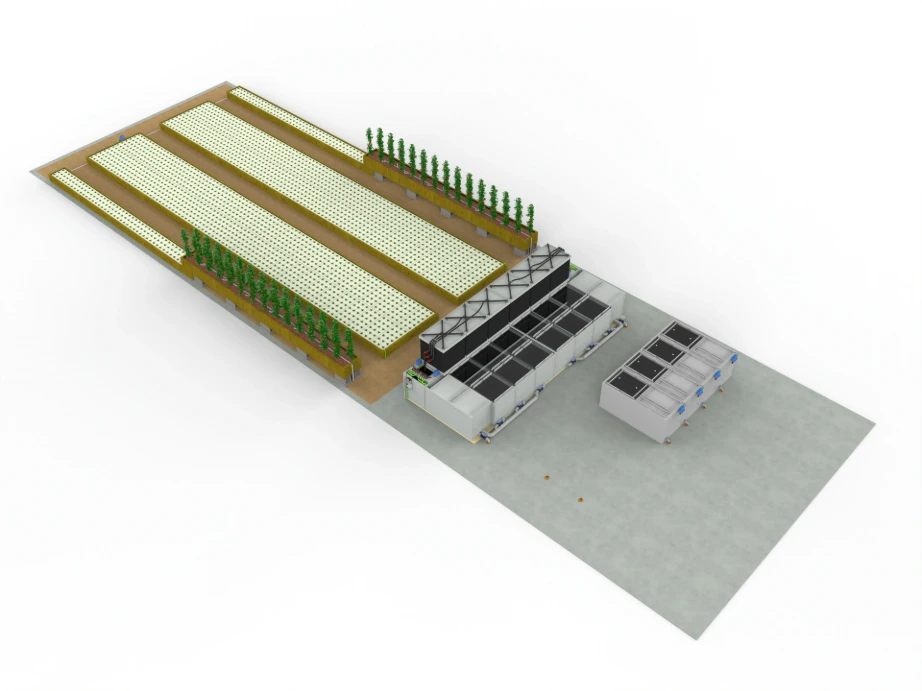
1 AP-910 Module (Juvenile and GrowOut)
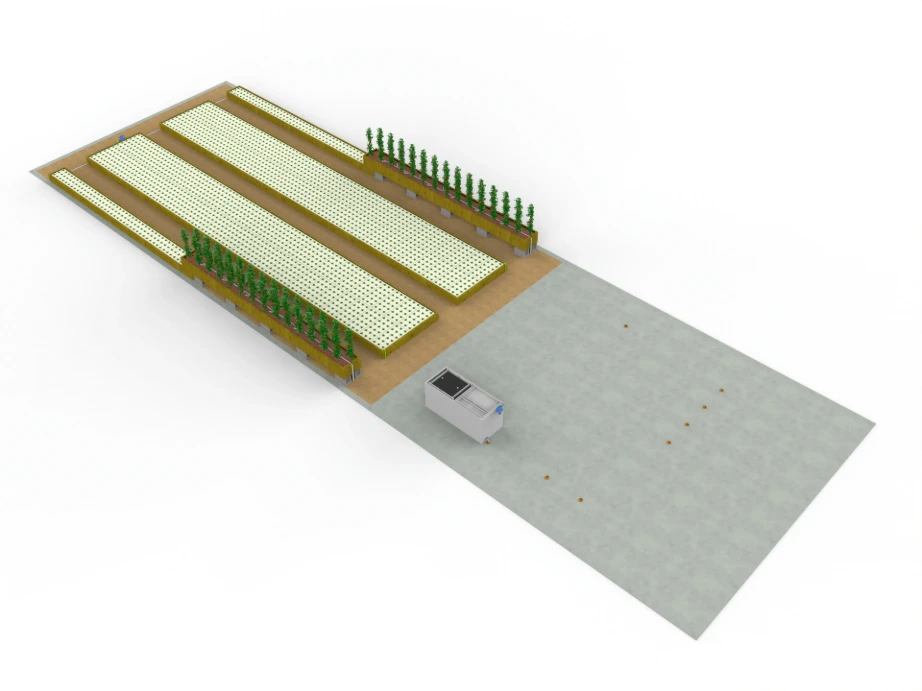
2 AP-910 Modules (Juvenile and GrowOut)
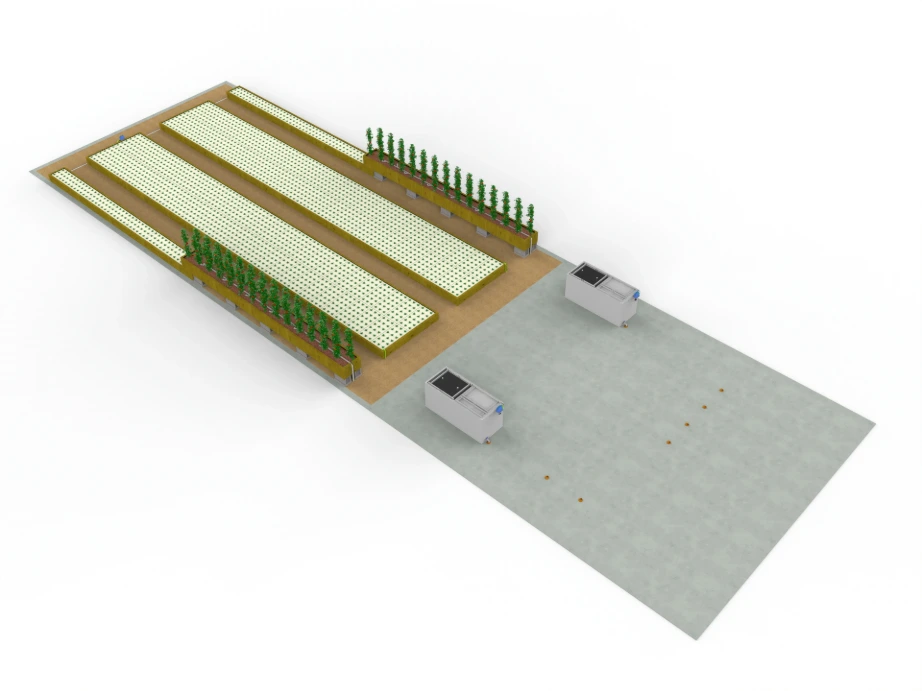
1 AP-4850 (Juvenile and GrowOut)
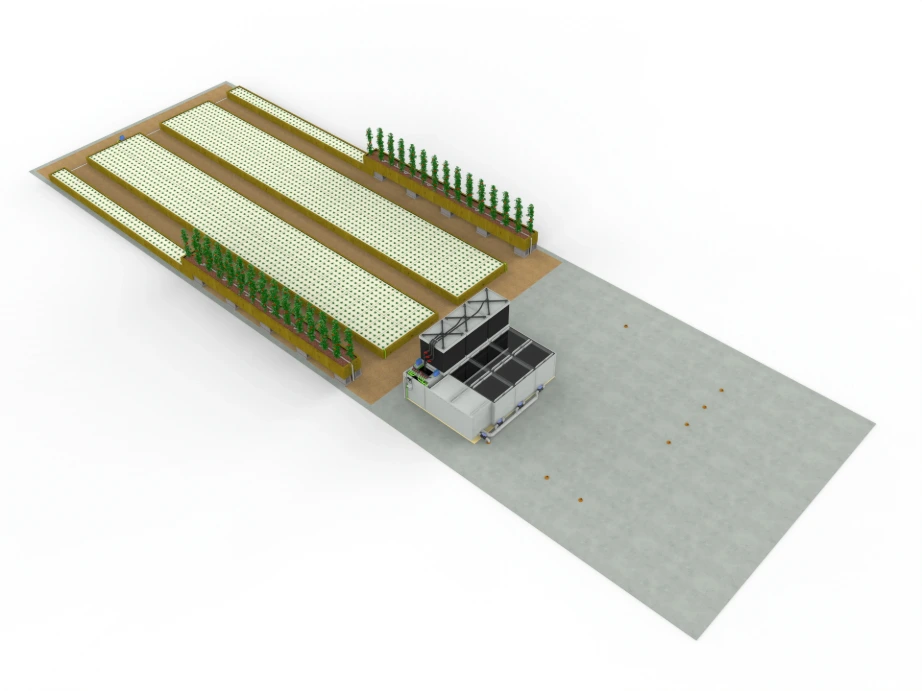
1 AP-4850 (GrowOut) & 2 AP-910 (Juvenile)
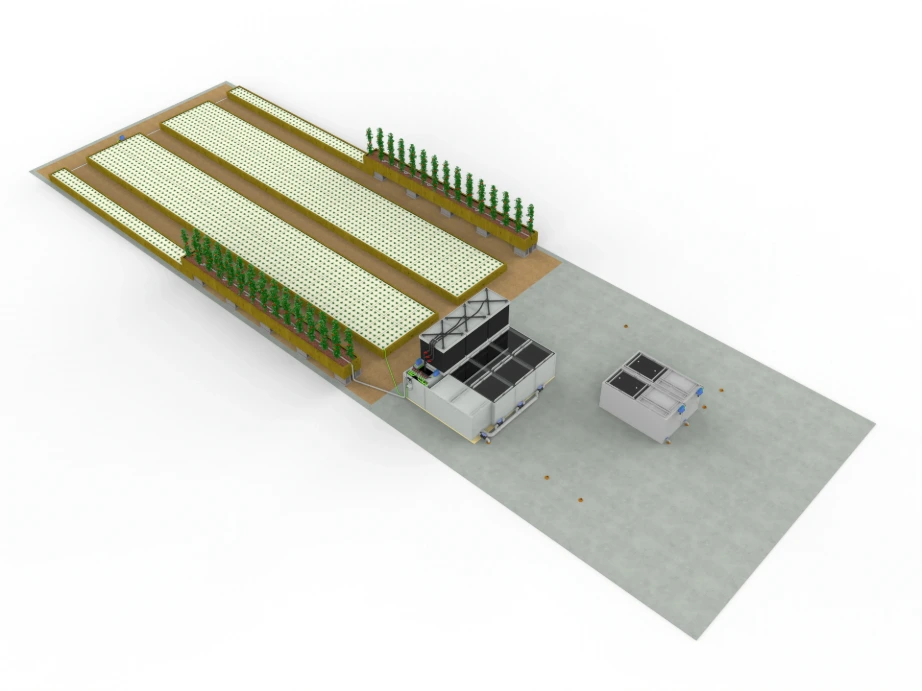
2 AP-4850 (Juvenile and GrowOut)
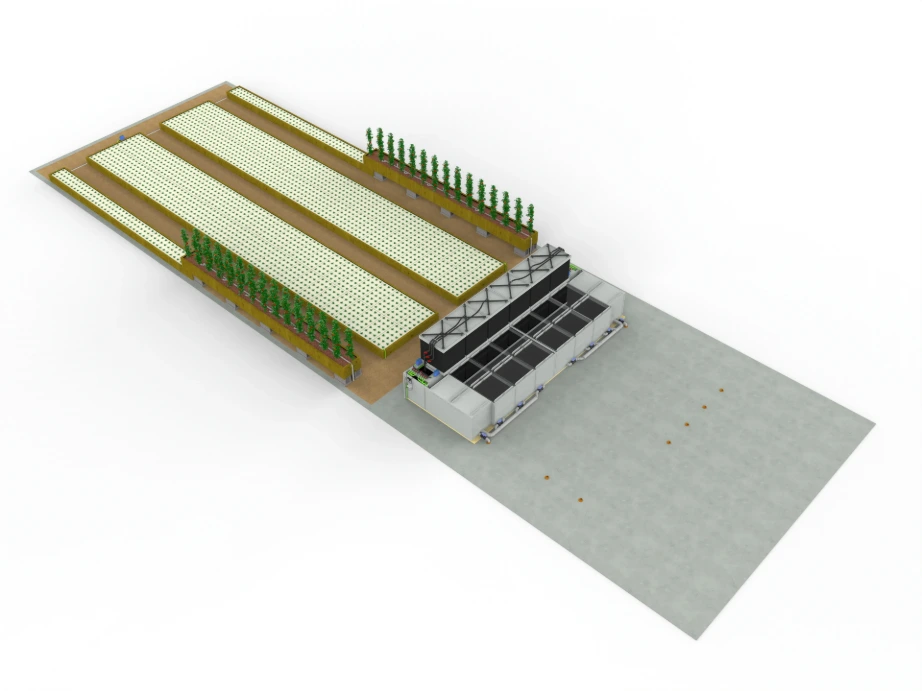
Technical Details
Space Requirement:
Hydroculture section: 13,2 m x 10,2 m
Total area: 20,2 m x 10,2 m
Production Capacity Fish:
African Catfish | Tilapia | |
1 AP-910 | 780 kg | 215 kg |
2 AP-910 | 1560 kg | 430 kg |
1 AP-4850 | 4150 kg | 1140 kg |
1 AP-4850 + 2 AP-910 | 5500 kg | 1390 kg |
2 AP-4850 | 8300 kg | 2280 kg |
2 AP-4850 + 4 AP-910 | 11000 kg | 2785 kg |
Construction Method:
The floor of the aquaculture and hydroculture section can be made of concrete or less solid materials like gravel or laying plates.
The hydroponic grow beds are usually made of wood and fitted with liner bags. A comprehensive instruction for how to build the beds is available.
Material Costs:
Aquaponics Module AP-910
Aquaponics System AP-4850
Climate / Temperature Conditions:
The modules themselves are insolated and can be equiped with covers over the GrowOut tanks.